

1-on-1 USMLE coaching,
every session with Dr. Mickey
Trusted by hundreds of medical students for personalized support and tailor-made strategies.
Step 1, Step 2 CK and Step 3, plus the residency application that follows.
20 minutes · Directly with Dr. Mickey · No payment required
- 500+ students coached
- Coaching since 2006
Question Strategy
Where every engagement starts. We work a block together and classify every miss by cause, because the diagnosis decides what the rest of the plan should be.
Readiness Decision
One practice form is noise. Two are a signal. We read your forms as a trend and make an explicit call, with a fallback date already chosen.
Schedule & Timeline
A plan built for twelve clear hours a day is a plan for nobody. We build the week around the hours you actually have, including the days that fall apart.
Score Recovery
Studying harder for longer reproduces the first result more often than it changes it. We find the actual cause, then rebuild with evidence before rebooking.
What the research shows
Medical students who received systematic coaching increased their self-efficacy and resilience.
Fifth-year students on clinical clerkships, four weekly one-to-one sessions of about 30 minutes with trained attending physicians. Self-efficacy and resilience both rose, with effect sizes of 0.76 and 0.75. 15 students enrolled and 13 analyzed, single-center, with no control group, so it is a signal rather than proof.
Citation checked against the published paper on September 27, 2026. See what else the research measured
Students Coached
Coaching Hours
Years Tutoring, Since 2006
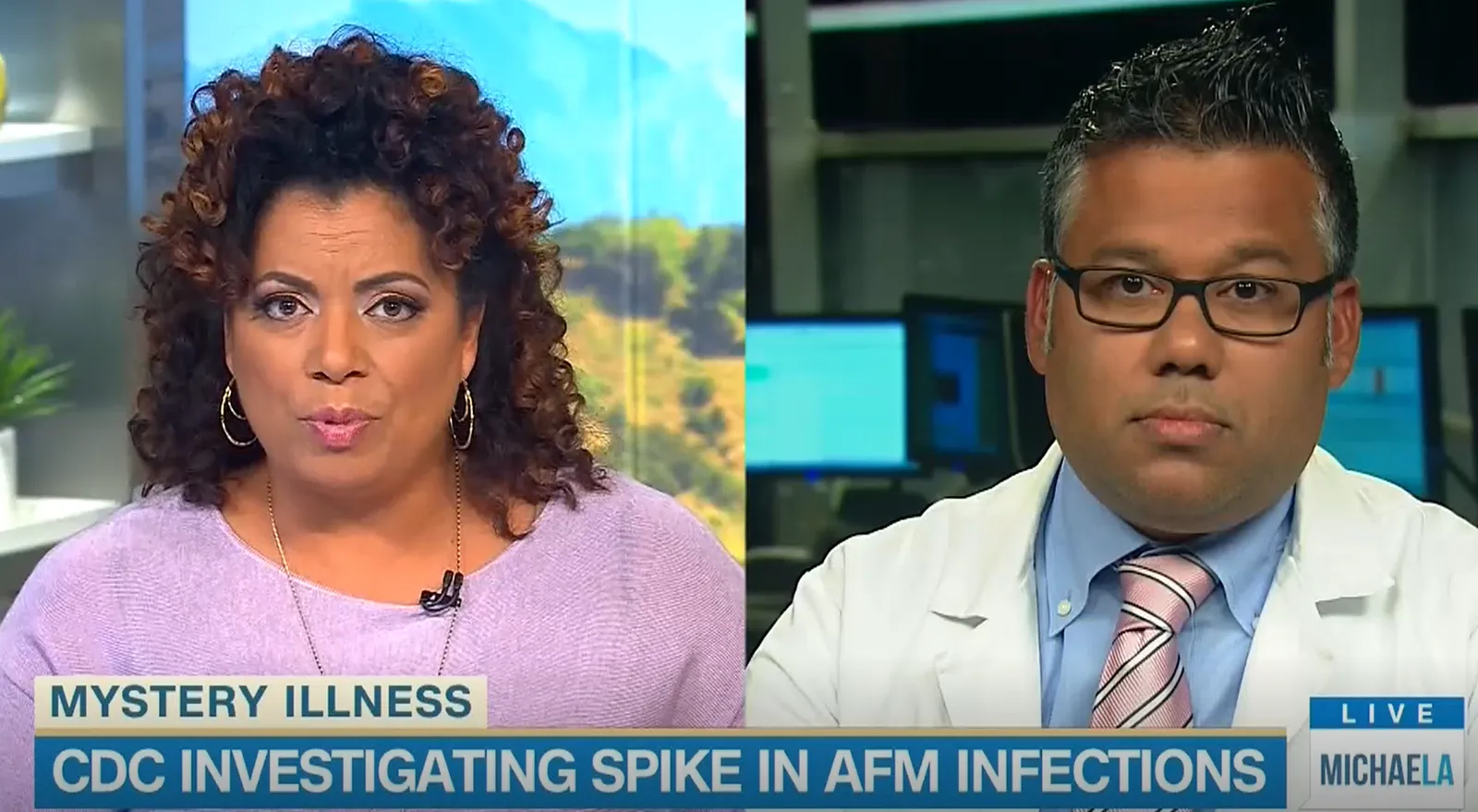
CNN has put Dr. Mickey on air to explain medicine. He is the physician who will work through a question block with you.
CNN has put Dr. Mickey on air to explain medicine. He is the physician who will work through a question block with you.
22 points
Step 1, US MD examinees
93% first attempt, 71% repeat
28 points
Step 2 CK, US MD examinees
98% first attempt, 70% repeat
19 points
Step 3, US MD examinees
96% first attempt, 77% repeat
10 points
Step 1, US DO examinees
89% first attempt, 79% repeat
First-attempt against repeat-attempt pass rates. Source: USMLE Performance Data.
The First Attempt is the
One That Counts.
- On Step 2 CK, first-time examinees from US MD programs passed at 98 percent. Repeat examinees passed at 70 percent.
- On Step 1, the same comparison was 93 percent against 71 percent. On Step 3, 96 percent against 77 percent.
- The gap holds for DO examinees on every Step, and for graduates of non-US schools.
- Among examinees from non-US schools, first-time Step 1 takers passed at 75 percent and repeat takers at 54 percent.
Source: USMLE Performance Data, usmle.org. Step 1 and Step 3 figures are 2025; Step 2 CK figures are the 2024 to 2025 reporting year.
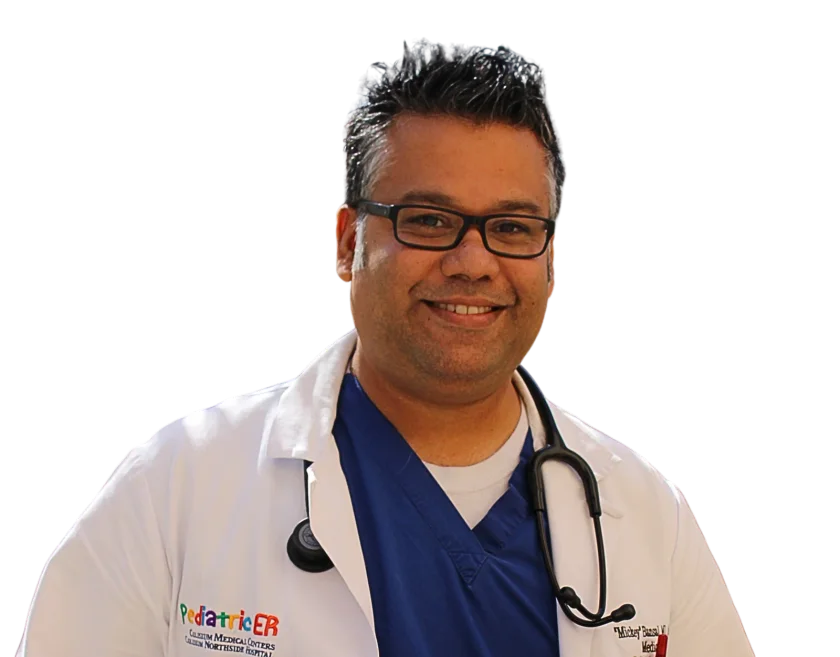
The Latin root of Doctor is “docere” which means To Teach
Dr. Mickey is an award-winning, nationally recognized physician who has taken all three Steps himself and has spent since 2006 teaching medical students and residents how to sit them.
- 500+ students coached
- Nationally Recognized Physician
- Stanford Applied Compassion Coach Certified
- All Three USMLE Steps Taken and Passed
Dr. Mickey Trained and Led at These Institutions







Free · Begin Your Journey
Nobody hands you a map. Here is one.
The USMLE Playbook covers all three Steps end to end: how the exams are built and scored, the daily loop that produces points, how to read a practice form, when to sit and when to delay, and what to do when an attempt goes wrong. Every figure names its source.
Your free map of all three Steps.
6 questions first, so it arrives aimed at where you actually are.
Show Me Where I StandA parent, wondering how you can help? There is more you can do
Insights
Insights for USMLE Takers
A failed Step: what happens next
A failed attempt is permanent, visible, and survivable. Here is what it does to an application, what the retake rules are, and how it gets handled well.
Read More →
Unmatched: decide before Match Week
SOAP moves faster than anyone can think clearly. The applicants who handle it well made their decisions in February, when they were still calm.
Read More →
What residency interviews assess
By the time you are invited, your paper case is made. The interview answers a different question, and preparing for the wrong one costs offers.
Read More →FAQ
Frequently Asked Questions
Straight answers about coaching, the USMLE, and the Match. Still not sure where you stand? The free call is the fastest way to get clarity for your exact situation.
Book Free ConsultationWho is this coaching for?
Every USMLE taker. US MD students, US DO students, and international students and graduates, whether you are heading for the NRMP, for CaRMS, or still deciding between them. The exam does not change by route, and neither does the work of preparing for it well: reading a stem under time, reviewing a block so that it teaches you something, and judging honestly whether you are ready to sit. What changes is the calendar around it and the constraints you are working inside, which is why the first call is a diagnosis rather than a pitch. Dr. Mickey graduated as valedictorian of his medical school and went on to a pediatric cardiology fellowship at Children’s Healthcare of Atlanta and Emory, which US News ranks among the country’s top ten children’s hospitals for cardiology. He has received multiple awards for his clinical and educational work, and serves as a Chief Medical Officer. He has coached students through these exams since 2006.
Is this content tutoring, or something else?
Both, in that order. A session starts by working a block with you out loud, because the reason a question goes wrong is usually not the reason you expect, and no amount of content teaching fixes a misread stem or a right answer you talked yourself out of. Once the cause is named, the session teaches whatever that cause points at, which is sometimes renal physiology and is often the reading routine instead. Plenty of students also need a dedicated subject tutor, and if content is genuinely the gap then that is the right first spend. What you get here is the diagnosis that tells you which one you are looking at.
What does a free consultation with Dr. Mickey include?
A 20-minute one-on-one video call with Dr. Mickey himself, the physician who would be coaching you, to review where you are in your training, what you are worried about, and what the realistic next twelve months look like. You will leave with a written summary of the most important actions for your situation. There is no obligation to enroll afterward, and we will tell you honestly if we do not think our program is the right fit for where you are.
How are packages and pricing structured?
There are three packages with published prices: USMLE Prep at $5,000, Score Recovery at $6,000, and Match and Application at $4,500. Installment plans are available on all three. If none of them fits your case, a Custom Package is built and priced on the free call, and custom engagements typically begin around $4,500. Whichever route you take, the scope and the price are confirmed in writing before you commit, and no payment is collected on the free call itself.
I went unmatched last cycle. What happens now?
The first call is diagnostic, not promotional. We read your ERAS, your personal statement, your letters, your interview record, and your match trail, and we give you an honest answer about what signaled weak and what is recoverable. From there we rebuild: gap-year plan, specialty-fit evaluation, re-submission strategy, and a new narrative for this cycle. Reapplying without that diagnosis tends to reproduce the cycle that did not work. It is not too late, but it is later than it was, so start early.
Do you work with Canadian applicants?
Yes. CaRMS runs on different timelines, weighs evidence differently and asks for different documentation than the NRMP, and Dr. Mickey has coached applicants through both. If you are Canadian-bound, the free strategy call will help you make the decision that has to be made early: whether to apply US, Canada, or both, and in what order.
Coming Soon! The USMLE Question Bank, so you can prep anytime, anywhere.
Clinical vignettes built around the patterns students miss most on Step 1 and Step 2 CK. Join the early-access list to be first in.